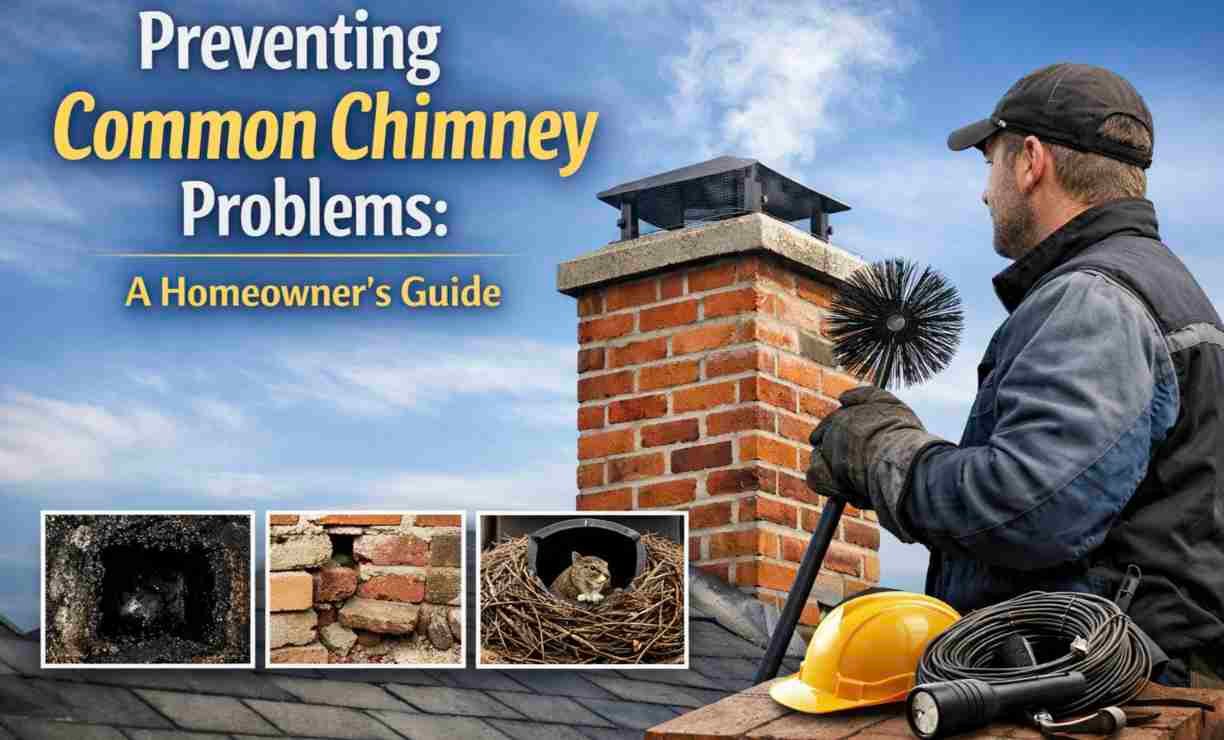
Preventing Common Chimney Problems: A Homeowner’s Guide
Maintaining a chimney is essential for ensuring your home’s safety, warmth, and energy efficiency. Neglected chimneys are prone to numerous issues, from moisture damage to blockages, which can put your family at risk and lead to expensive repairs. By understanding and addressing common chimney problems, you can protect your investment and enjoy peace of mind. If you experience issues beyond routine care, consider reaching out for chimney repair Atlanta to help maintain the longevity and functionality of your system.
Chimneys require a unique combination of preventive care and periodic inspections to function correctly. Problems such as creosote buildup, water leaks, and structural deterioration often develop slowly and can be overlooked until they escalate. Homeowners who take proactive steps to prevent these common concerns not only avoid hazards like chimney fires and carbon monoxide buildup but also save money on future repairs.
Locking in yearly checkups and giving extra attention to your chimney’s most vulnerable components will help you stay ahead of trouble. This comprehensive guide examines the primary causes of chimney issues and provides practical advice to maintain your home’s safety and ensure your fireplace remains enjoyable for years to come. These strategies can help mitigate the risks associated with owning a fireplace and ensure efficient heating during colder months.
Creosote Buildup
As wood burns in your fireplace, it generates creosote, a highly flammable residue that collects on the chimney’s inner walls. Even in small amounts, creosote greatly increases the risk of chimney fires, which are a leading cause of home fires in the United States. To minimize creosote buildup, always burn seasoned hardwoods and avoid burning wet or green wood. Scheduling annual chimney inspections and professional cleanings is vital. According to the Chimney Safety Institute of America, regular maintenance is key to preventing hazardous accumulations of creosote.
Water Damage
Water is a chimney’s worst enemy. Heavy rains or melting snow can seep into your chimney’s brickwork or mortar, causing spalling (flaking or breaking), rust, mold, and even structural failure. While brick and mortar are designed to withstand heat, they are susceptible to moisture damage if left unprotected. Applying a specially formulated, breathable waterproofing agent to your chimney’s exterior helps block water infiltration while still allowing water vapor to escape. This is especially crucial in regions prone to wet weather, as unchecked moisture can drastically shorten your chimney’s lifespan.
Blockages
Chimney flues can easily become blocked by animal nests, leaves, twigs, or excessive soot. Obstructions reduce airflow, hamper smoke ventilation, and can force dangerous gases like carbon monoxide back into your home. A reliable chimney cap is the first line of defense against debris and wildlife. Regular inspections enable you to identify and remove blockages before they escalate into more significant problems.
Cracked or Damaged Liners
The liner inside your chimney acts as a protective layer between your home and the dangerous heat and gases produced by burning fuel. Over time, liners can develop cracks from thermal stress, moisture penetration, or general aging. These cracks allow heat and toxic gases to escape into walls or living spaces, which is both a fire and a health hazard. Early detection through video scanning or inspection, followed by prompt repair or relining, helps preserve the integrity of your chimney and ensures the safety of your home.
Chimney Cap and Crown Issues
The chimney cap covers the flue opening, blocking debris, water, and critters from entering, while the crown is the sloped masonry top that directs water away. Damaged or missing caps and cracked, deteriorated crowns allow water and pests to enter freely, causing leaks, odors, and internal chimney deterioration. Inspection after each winter—and repair or replacement if needed—helps safeguard your chimney from unnecessary damage and extends its service life.
Flashing Failures
Flashing, the metal barrier where your chimney meets the roof, is critical for stopping leaks. Deteriorated or separated flashing lets water penetrate your attic or ceiling, causing unsightly stains, rot, and even mold growth. If you notice water stains near your fireplace or attic, have the flashing professionally assessed and repaired to seal out moisture and avoid expensive interior damage.
Structural Deterioration
Time and weather eventually take their toll on any chimney. Bricks and mortar joints can crack or erode due to freeze-thaw cycles, age, or seismic movement. If deterioration is left unchecked, structural instability can follow, potentially requiring a rebuild. Tuckpointing—removing damaged mortar and replacing it with new, along with any necessary brick replacement —will restore strength to the masonry and preserve your chimney for years to come.
Regular Maintenance Tips
- Schedule professional chimney inspections and cleaning at least once a year, or more frequently if you use your fireplace regularly.
- Use only seasoned hardwoods to minimize creosote accumulation.
- Install or maintain a quality chimney cap to ward off blockages and moisture.
- Have a breathable waterproofing sealant applied to exterior masonry to protect against water infiltration.
- Regularly check and repair your chimney’s cap, crown, and flashing.
Conclusion
Preventing common chimney problems begins with awareness, regular maintenance, and prompt professional attention. By addressing issues such as creosote buildup, moisture intrusion, and structural wear early, homeowners can reduce safety risks and avoid costly repairs. Consistent inspections and proactive upkeep ensure your chimney remains a reliable, efficient, and safe component of your home for years to come.