
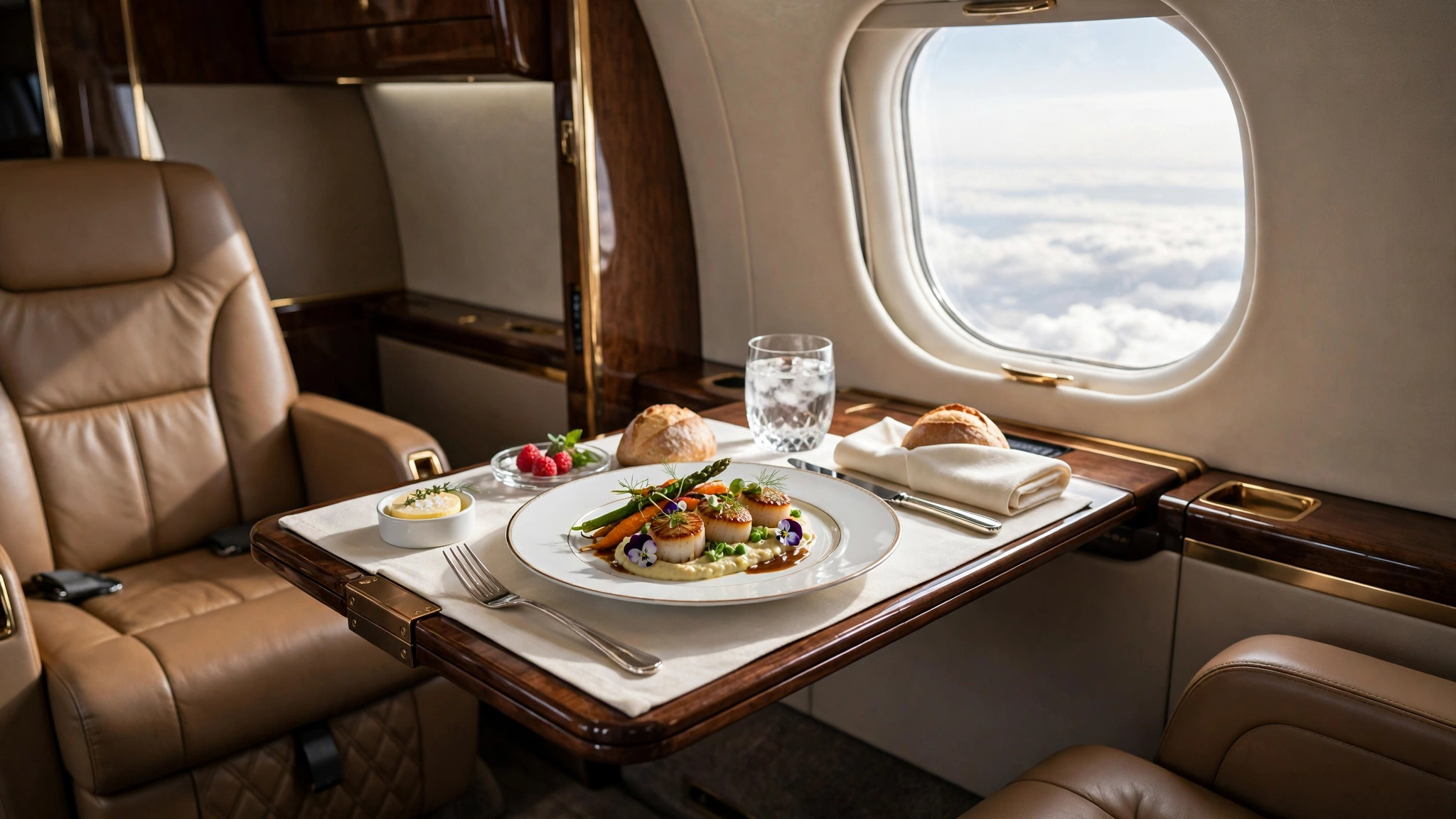
Inside Private Jet Catering: How Luxury In-Flight Dining Works
Private jet travel is often associated with comfort, privacy and flexibility, but one part of the experience truly sets it apart from commercial flying: the food. Private jet catering is not simply a nicer version of an airline meal. It is a carefully planned dining service designed around the passenger, the route, the aircraft and even the time of day. From fresh sushi prepared hours before departure to a favourite family recipe recreated at 40,000 feet, luxury in-flight dining is built on preparation and personal detail.
Unlike a scheduled airline, a private flight has no fixed menu cycle. Every order begins with the passengers themselves, which is why the best catering teams ask questions long before the aircraft leaves the ground. Understanding tastes, dietary needs and cultural preferences is central to good private aircraft catering, especially on international routes where expectations around flavour, ingredients and presentation can vary widely.
It Starts with the Passenger Profile
The process usually begins when the flight is booked. Charter operators and flight departments keep preference profiles for regular clients, noting everything from how they take their coffee to allergies, spice tolerance and favourite cuisines. For new passengers, a short conversation covers the essentials: what they enjoy, what they avoid, and whether the flight calls for a light snack, a working lunch or a full multi-course meal.
This profile matters because space and time in the air are limited. A business traveller on a two-hour morning hop may want fresh fruit, yogurt and espresso served quickly after takeoff. A family on a long holiday flight may prefer a relaxed lunch, a children’s menu and a special dessert. The catering plan is shaped around the purpose of the trip, not just the destination printed on the flight plan.
Menu Planning and Sourcing Ingredients
Once preferences are clear, caterers design a menu that can realistically be prepared, stored and served beautifully in a small galley. Many private aviation caterers are specialist kitchens located near major airports, staffed by chefs who understand both fine dining and aviation rules. They know which dishes travel well, which sauces separate, and which garnishes wilt before the aircraft reaches cruising altitude.
Ingredients are sourced as close to departure as possible. Delicate items such as seafood, salads and pastries are prepared last, while hot dishes are cooked most of the way and finished or reheated on board using precise instructions.
Presentation is planned at the same time as flavour. Food is packed in containers designed for the exact aircraft type, labelled clearly and arranged in the order it will be served.
Timing, Storage and Food Safety
Timing is one of the hardest parts of private jet catering. Deliver the food too early and freshness suffers; deliver it too late and the departure can be delayed. Caterers coordinate with handlers and crew so meals arrive shortly before boarding, are checked against the order, and are loaded straight into chilled storage on the aircraft.
Food safety standards are strict. Cold items must stay cold, hot items are transported in insulated carriers, and every container is sealed and documented. Because private flights often cross time zones and climates, caterers also plan for ground delays and diversions, choosing dishes that remain safe and appetising if the schedule changes.
Service at 40,000 Feet
On larger jets, a trained cabin attendant plates and serves each course much like a restaurant team would, adjusting pacing to the passengers’ mood. Some guests want a formal sequence with canapés, starter, main and dessert. Others prefer everything served family style so they can relax and talk. On smaller aircraft without an attendant, the crew prepares simple, elegant trays before departure so passengers can help themselves in comfort.
The details make the difference: real glassware and cutlery where the aircraft allows it, linen napkins, properly brewed coffee, and favourite brands of tea, juice or sparkling water stocked by name. Many clients judge the flight not by the seat or the speed, but by whether the meal felt personal. Remembering a child’s favourite pasta or a client’s preferred breakfast after a red-eye flight builds the loyalty that private aviation depends on.
Special Requests and Cultural Touches
Luxury catering teams are used to unusual requests. Passengers celebrate birthdays, anniversaries and business deals in the air, so cakes, flowers and special bottles are common additions. Religious and cultural requirements, including halal, kosher and vegetarian menus, are arranged through certified suppliers when requested in advance.
International itineraries add another layer. A flight departing London for Dubai or Singapore may need to balance British classics with Middle Eastern or Asian dishes, all prepared to a consistent standard. The best caterers treat this as an opportunity rather than a problem, using the menu to reflect the journey itself and give passengers a taste of where they are heading.
Conclusion
Private jet catering succeeds when careful planning becomes invisible. Passengers simply enjoy a meal that arrives at the right moment, tastes fresh and feels made for them. Behind that ease sits a chain of chefs, coordinators, drivers and crew working to tight timelines and high standards. It is dining shaped by logistics, but delivered as pure comfort — and for many travellers, it is the most memorable part of flying privately.