How to Plan a Cheap US Road Trip: Routes, Stays and Saving Tips
A road trip across the United States sounds expensive, but with the right planning it can be one of the most affordable ways to see the country. The freedom of the open road does not require a huge budget. It requires smart choices about routes, timing, food and sleep. Whether you dream of desert highways, coastal drives or small-town main streets, a cheap US road trip is absolutely possible when you plan the big costs first and stay flexible about the small ones.
Many travellers start by gathering general ideas for travel USA on a budget, then turn those ideas into a route and a daily spending plan that fits their own trip. The steps below do exactly that, moving from the map to the details that decide what the journey really costs.
Choose a Route That Saves Money
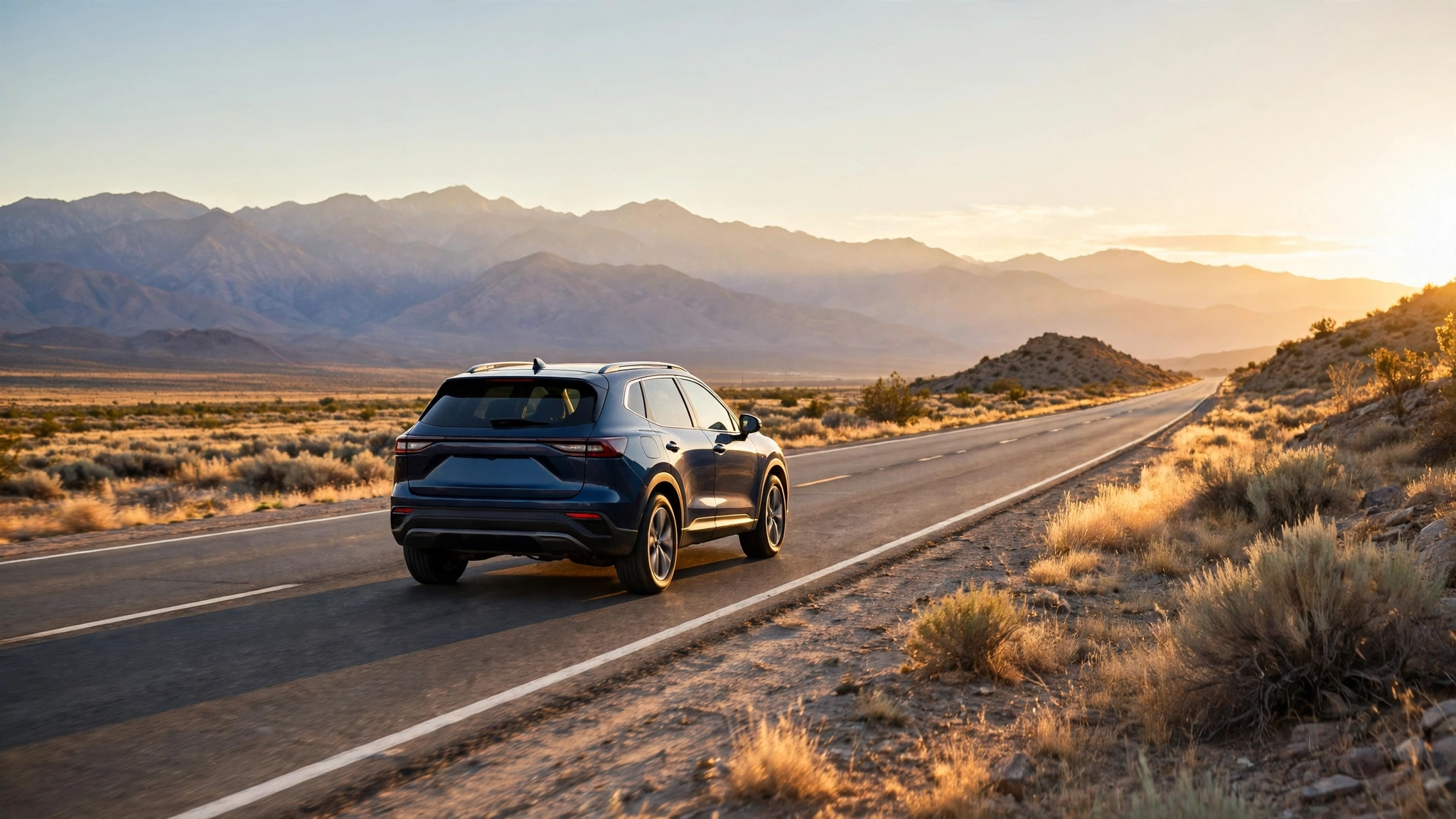
The route you pick shapes almost every expense. Long, straight interstate drives burn fuel quickly and offer little to see, while a well-chosen loop through scenic regions gives you more experiences per mile. Start by picking one region rather than trying to cross the entire country. The Southwest, the Pacific Coast, New England and the Great Lakes all offer dense clusters of sights within a few hours of each other.
Plan driving days of three to five hours. Shorter hops mean less fuel, less fatigue and more time exploring places you would otherwise pass. Use free attractions as your anchors: national park viewpoints, historic downtowns, public beaches, scenic overlooks and small museums often cost little or nothing. When a famous attraction carries a high entry fee, look for the nearby state park or free viewpoint that locals recommend instead.
Travelling just outside peak season also brings lower prices, lighter traffic and milder weather in many regions.
Keep Fuel and Car Costs Under Control
Fuel is usually the largest single cost after accommodation. Before leaving, check tyre pressure, oil and filters; a well-maintained car uses noticeably less fuel. On the road, steady speeds save more than any app trick. Aggressive acceleration and high motorway speeds can raise consumption sharply, so settle into a relaxed pace and enjoy the scenery you came for.
If you are renting, compare total prices including fees, mileage limits and insurance rather than the headline daily rate. Smaller cars are cheaper to rent and to fuel, and they are easier to park in busy towns. Travelling with friends changes the maths completely: splitting fuel and rental costs between three or four people can make a road trip cheaper per person than almost any other form of travel.
Sleep Well for Less
Accommodation can quietly consume a budget, so mix your options. Motels along older highways often cost far less than city-centre hotels and include parking. Campgrounds near national and state parks offer some of the best locations in the country for a fraction of hotel prices, and many have showers and cooking areas. Booking a few key nights in advance while leaving others flexible gives you both security and the chance to grab last-minute deals.
Consider alternating paid nights with cheaper ones. A comfortable motel after a long driving day feels luxurious, and a campsite under the stars the next night keeps the average low. If you travel in a group, a single vacation rental with a kitchen can beat several hotel rooms, especially once home-cooked meals enter the plan. Always check what is included: free parking, breakfast and laundry facilities can each save real money over a week or two.
Eat Well Without Overspending
Food costs climb when every meal happens in a restaurant. A simple pattern works well: prepare breakfast, picnic at lunchtime and enjoy one proper sit-down meal a day. A small cooler transforms the trip. Sandwiches, fruit, cheese and snacks bought at supermarkets cost a fraction of service-station food and let you eat at viewpoints instead of car parks.
Local diners, bakeries and food trucks usually deliver the best value and the most character. Ask residents where they eat rather than following the busiest tourist strip. Carry a reusable bottle and refill it wherever possible; buying drinks at every stop is a quiet budget leak. Saving on routine meals also frees money for the memorable ones — the regional barbecue, seafood shack or pie shop you will talk about long after the trip ends.
Build a Simple Daily Budget
Before departure, set a realistic daily target covering fuel, food, stays and activities, then track spending briefly each evening. A notes app is enough. The goal is awareness, not strict accounting. When you know a splurge is coming, balance it with a free hiking day or a campsite night. Keep a small emergency reserve separate from the fun budget so an unexpected repair or detour does not end the trip early.
Conclusion
A cheap US road trip is built on a handful of repeatable habits: choose a compact route, drive gently, mix your sleeping options, cook some of your meals and keep a simple daily budget. None of this reduces the adventure. If anything, it deepens it, because budget travel pushes you toward local places, slower roads and spontaneous stops. Plan the essentials, leave room for surprises, and the open road becomes far more affordable than you expected.