
Preparing to Sell a Business: Essential Steps Before You Go to Market
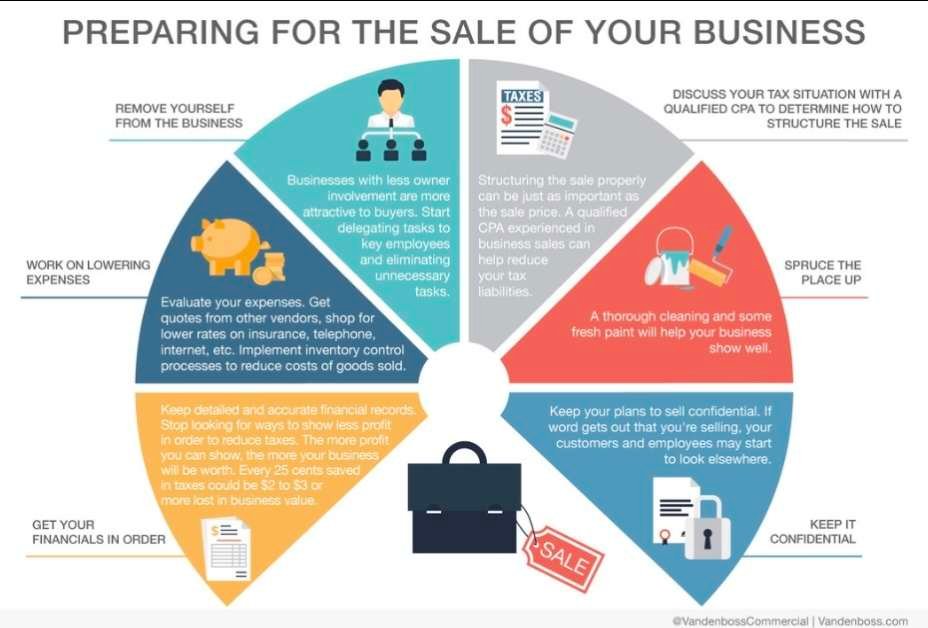
Selling a business isn’t something you dive into without a plan. It’s more like gearing up for a marathon than a quick sprint. Rushing can lead to missed opportunities or even a failed deal. Over the years, I’ve watched business owners make that mistake, and it often costs them big time. The key is preparation – it helps you present your company in the best light, attract serious buyers, and secure the price you deserve. In this article, we’ll break down the must-do steps before you list your business for sale. Think of it as getting your house staged before an open house; first impressions count.
Assess Your Business’s True Value
Before anything else, you need a clear picture of what your business is worth. Don’t rely on guesswork or what a similar company sold for last year. Bring in a professional valuator or a business broker experienced in your field. They’ll dig into your assets, cash flow, market position, and even softer factors like brand reputation.
For example, in a service-based business, they might evaluate client contracts and recurring revenue. A buddy of mine who ran a landscaping firm got a wake-up call when his valuation highlighted over-reliance on seasonal work, dropping the estimate by 15%. This step sets your expectations and gives you leverage in talks when you sell a business. Without it, you risk underpricing or turning off buyers who spot inflated figures.
Organize and Optimize Your Financial Records
Buyers will poke through your finances with a fine-tooth comb, so make sure everything shines. Collect at least three years of balance sheets, income statements, and tax filings. If your books are disorganized – maybe with personal perks lumped in – hire an accountant to straighten them out.
Look for quick wins too: collect outstanding payments, trim fat from expenses, and hold off on major buys. Clean records build credibility and can even lift your valuation. Imagine a buyer finding sloppy entries; it’s like spotting cracks in a foundation during a home inspection. Address it now to avoid deal-breakers later.
Tackle Legal and Compliance Issues
Legal snags can torpedo a sale faster than anything. Review all your agreements: property leases, vendor deals, employee pacts, and IP protections. Ensure they’re up-to-date and can transfer smoothly to a new owner. If there’s ongoing litigation or regulatory hiccups, sort them or flag them transparently.
In regulated industries, like healthcare or finance, double-check compliance. Consider restructuring if needed – switching from a sole proprietorship to a corporation might ease the handover. I recall a software company sale that almost fell apart over an unresolved trademark dispute. Involve a business attorney early to seal any gaps and keep things moving.
Streamline Operations for a Smooth Transition
A business that runs efficiently without constant owner input is gold to buyers. Document your standard procedures, from inventory management to customer interactions. Create guides that anyone could follow. Train staff to handle more responsibility, reducing the “key person” risk where everything hinges on you.
Fix bottlenecks: update tech systems, negotiate better supplier terms, or refresh your online presence. Lock in major clients with extended contracts to demonstrate stability. Buyers want a plug-and-play operation, not a puzzle. This preparation shows your business has legs and justifies a higher price tag.
Craft Compelling Marketing Materials
You wouldn’t sell a car without a good ad, right? Same here. Put together a confidential information memorandum (CIM) – a polished packet with an overview, financials, market insights, and growth potential. Emphasize your unique selling points, like a niche market edge or innovative products.
If using a broker, they’ll refine this, but even DIY sellers should make it pro-level. Use NDAs to share details safely. Quietly network to test interest without broadcasting your intent. Strong materials draw quality buyers and set the tone for negotiations.
Support Your Team Through the Process
Your employees are part of the package, so keep them steady. Rumors of a sale can cause anxiety and exits, which alarms buyers. Where appropriate, share plans openly and offer incentives like stay bonuses for critical roles.
Enforce non-competes to protect against poaching. A solid team culture adds value – buyers see it as a ready workforce. Neglect this, and you might lose talent mid-process, weakening your position.
Time the Market and Your Personal Readiness
Timing isn’t everything, but it’s close. Monitor economic vibes and industry shifts. Selling during an upswing, like in booming tech sectors, can fetch premiums. Conversely, wait out slumps if possible.
On a personal note, assess if you’re truly ready. Burnout might push you to sell low; enthusiasm could mean holding for more growth. Align external conditions with your internal state for the best outcome.
Plan for Tax and Financial Outcomes
Don’t let taxes eat your profits. Understand capital gains and explore mitigation strategies, such as seller financing or tax-deferred exchanges. In some cases, options like ESOPs (employee stock ownership plans) keep things in the family while easing the tax hit.
Work with a tax specialist to structure the deal wisely. Overlooking this can leave you with less than expected after Uncle Sam takes his share.
In the end, prepping to sell a business takes time – often six months to a year – but it’s worth every effort. By following these steps, you’ll not only attract better offers but also exit on your terms. Start with that valuation today, and build toward a successful handover. You’ve built something great; now make sure you reap the rewards.